Skip to content
Firas

Your face tells a story. Let Firas translate it.

Read your face, hand and dreams with the Marifetname: the Ottoman arts of reading people and a modern birth chart, in two separate windows.

We’ll announce it when it launches.

Coming soon to Google Play.

Two windows, two separate ways of seeing

Classical window

The Ottoman arts of reading people

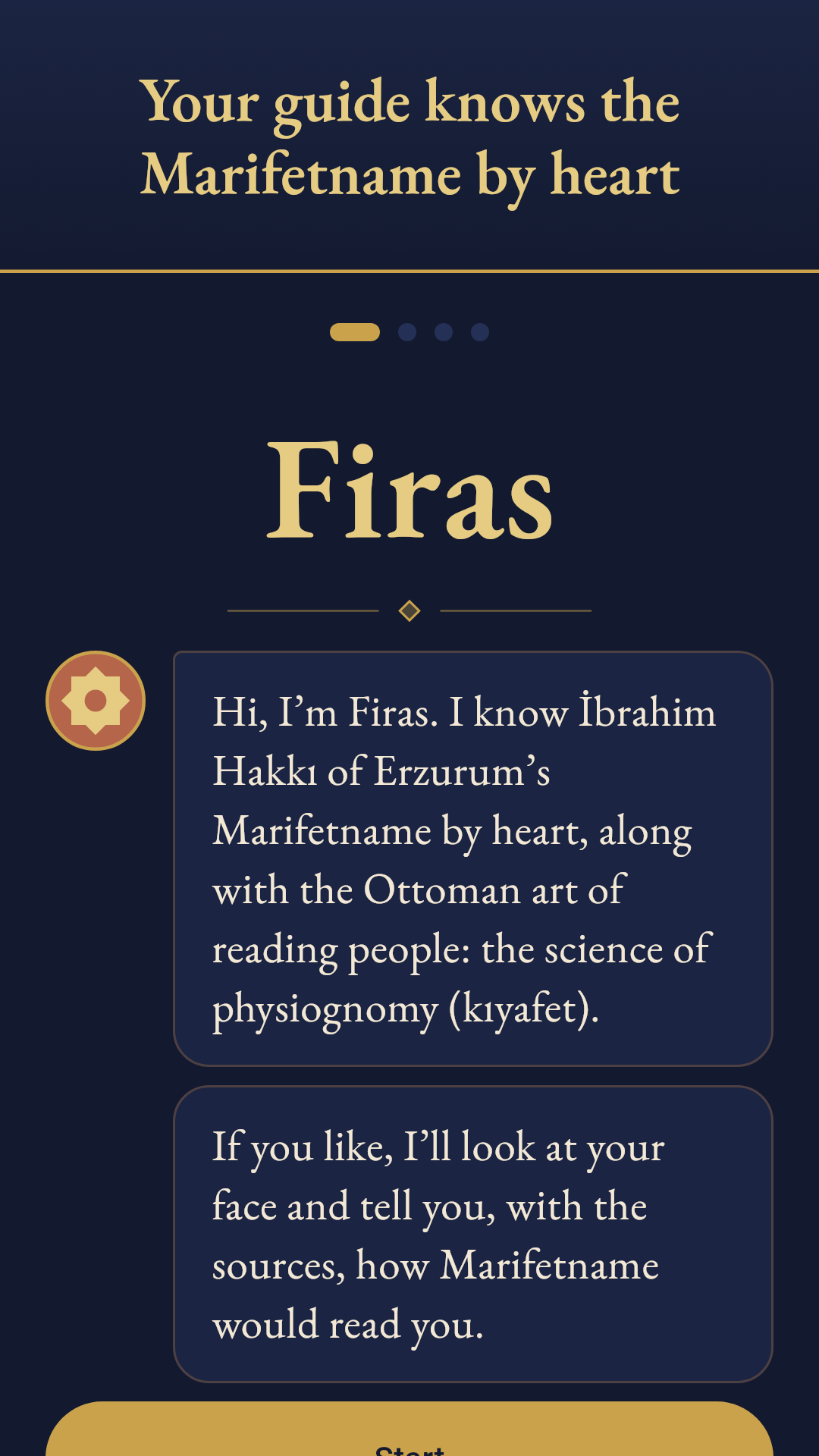
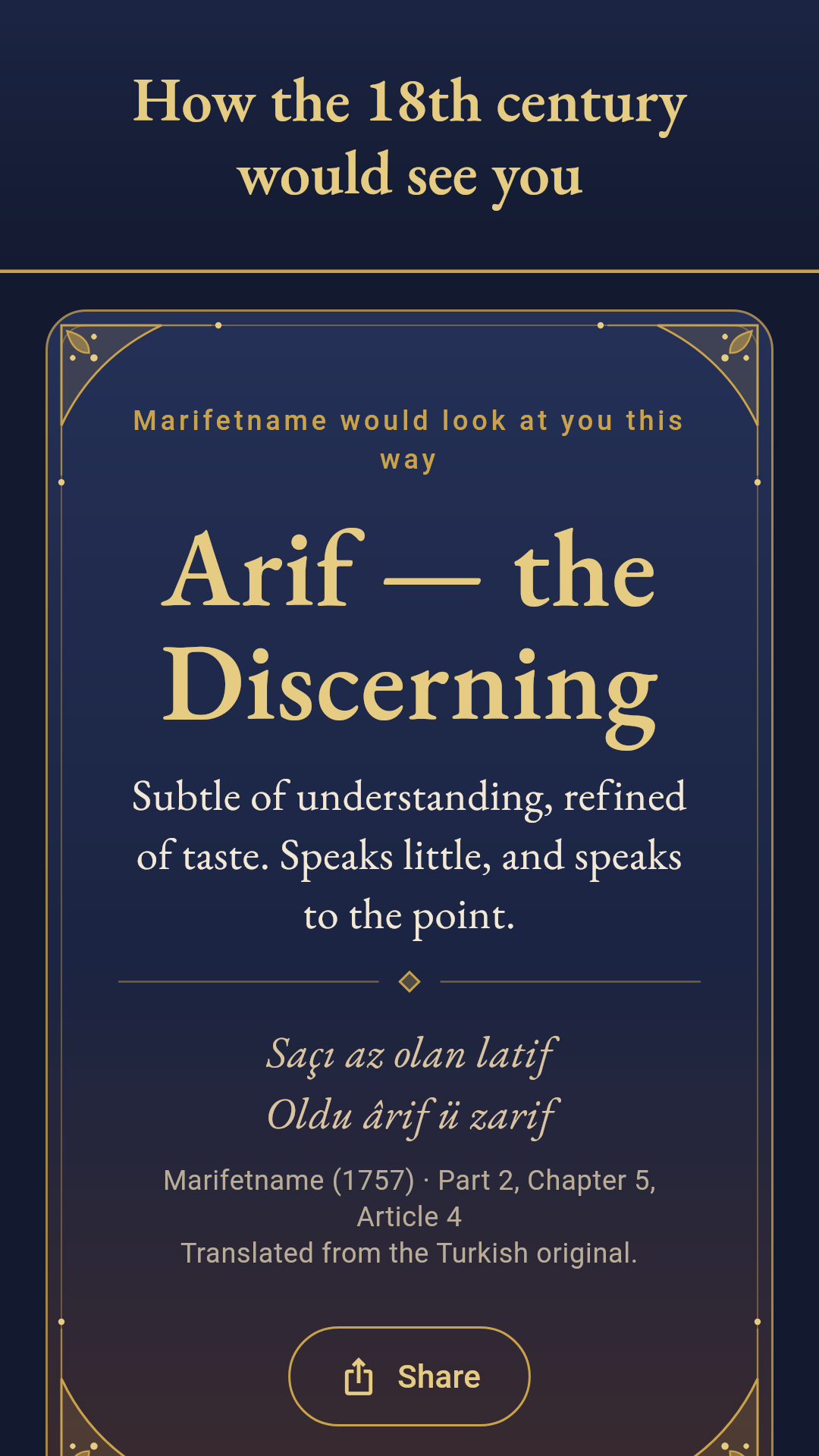
Firas is a warm, non-judging guide who knows Erzurumlu İbrahim Hakkı’s Marifetname by heart. Every verdict is tied to its source and chapter; no single sign decides anything, the signs are weighed together. Firas says “this is how the Marifetname would have seen you”, never “this is your character”.

  • Face and hand reading: the Marifetname and Hamdullah Hamdi’s Kıyafetname
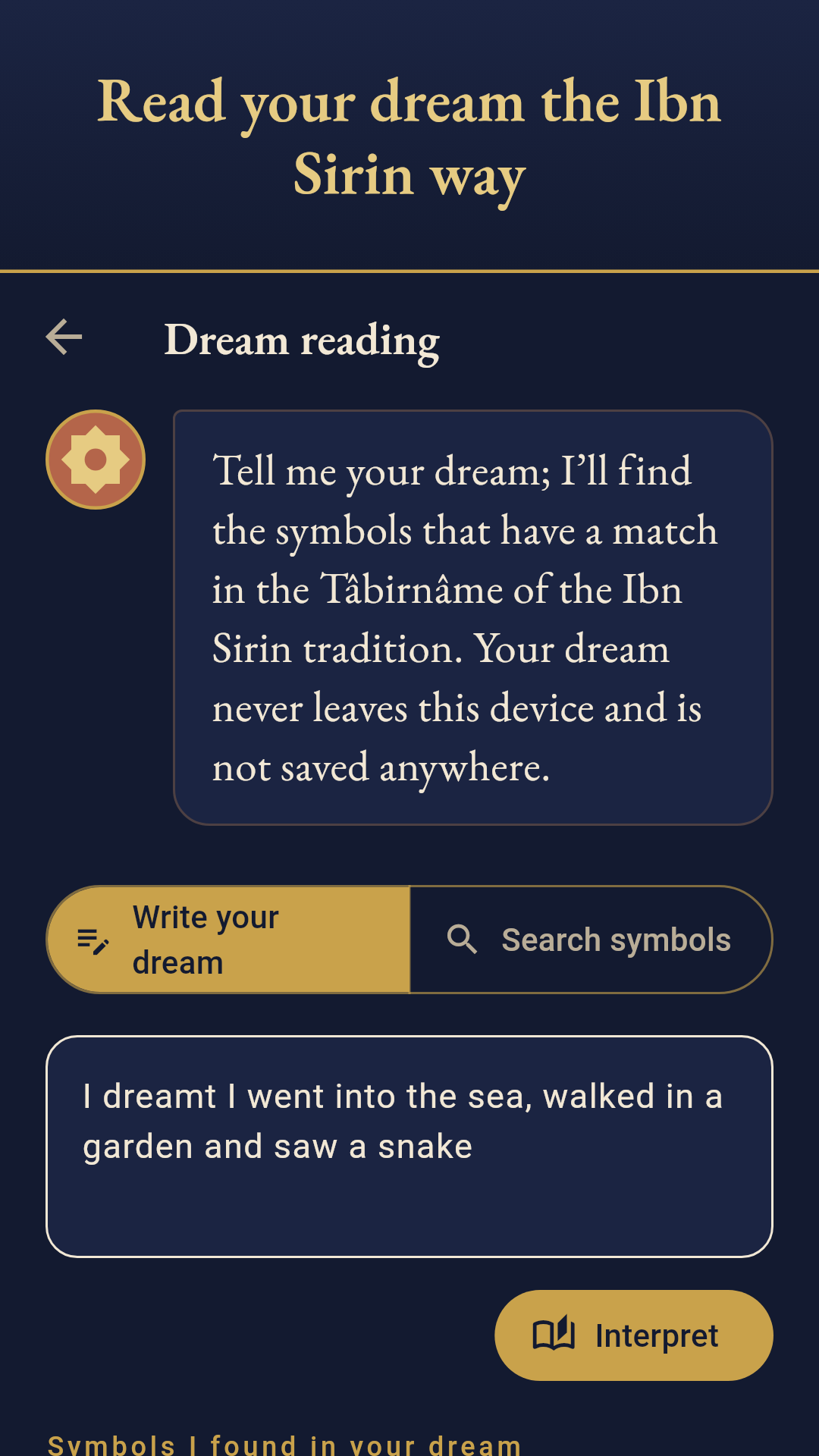
  • Dream interpretation: the 18th-century Tâbirnâme of the Ibn Sirin tradition
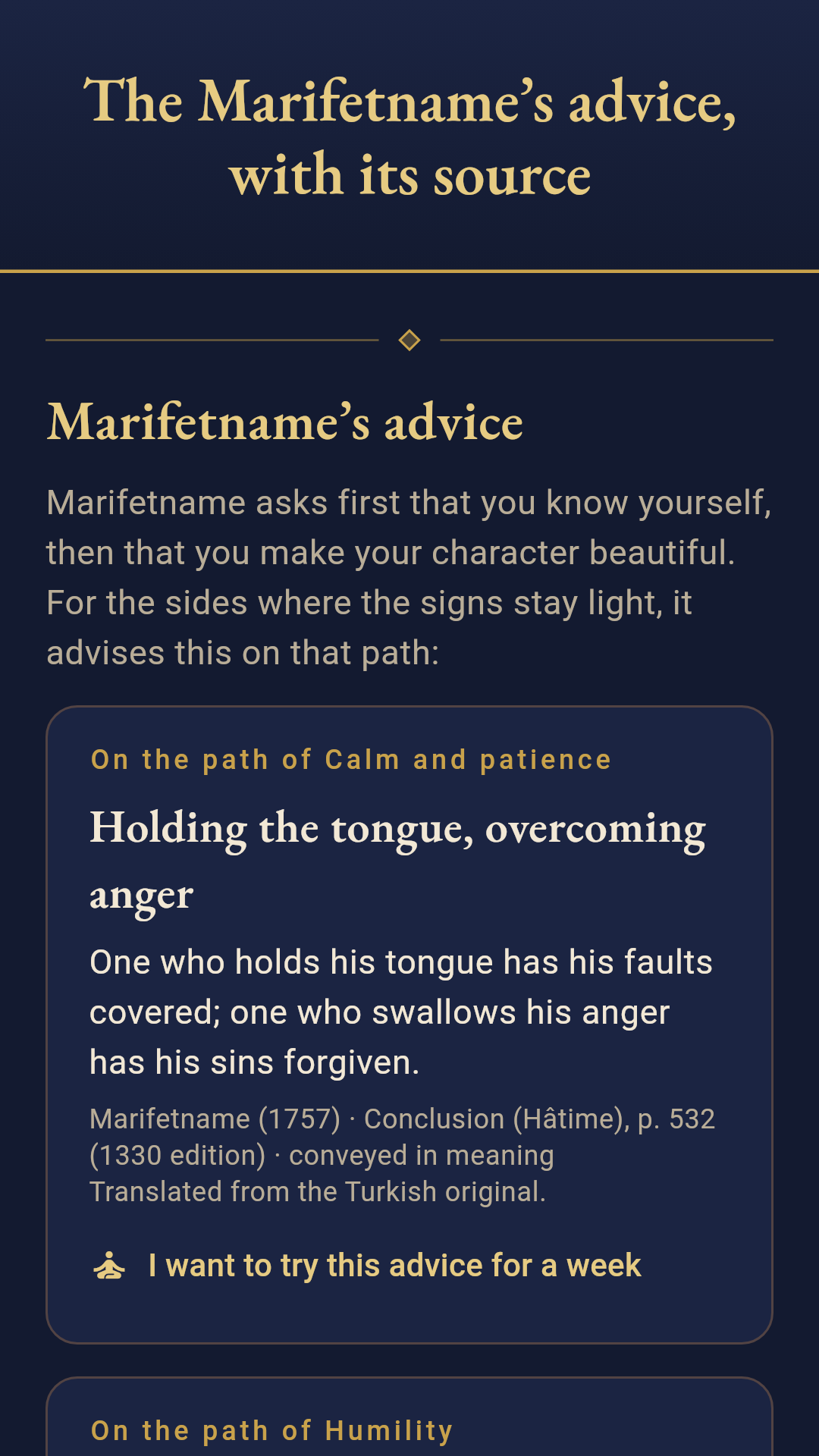
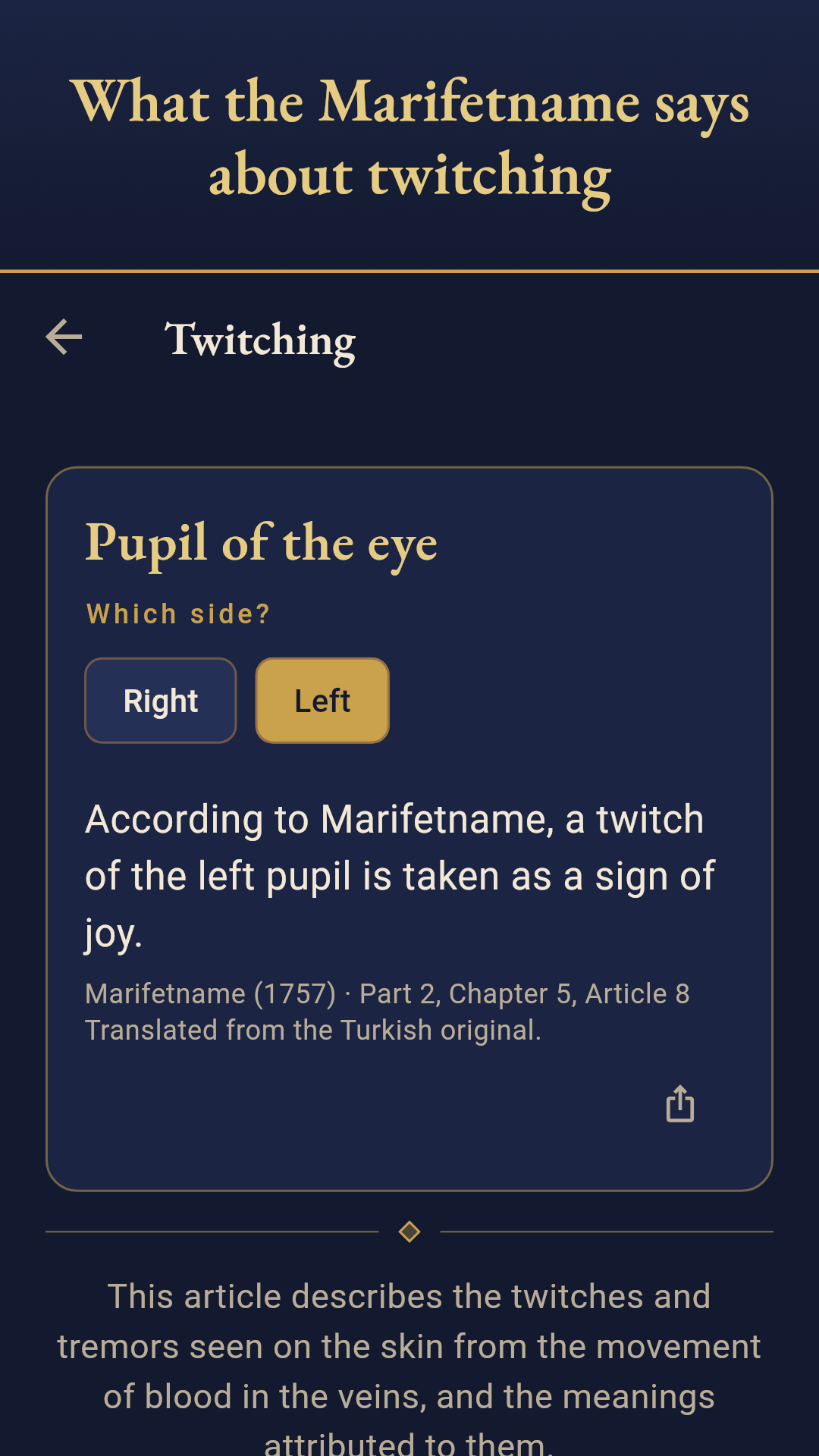
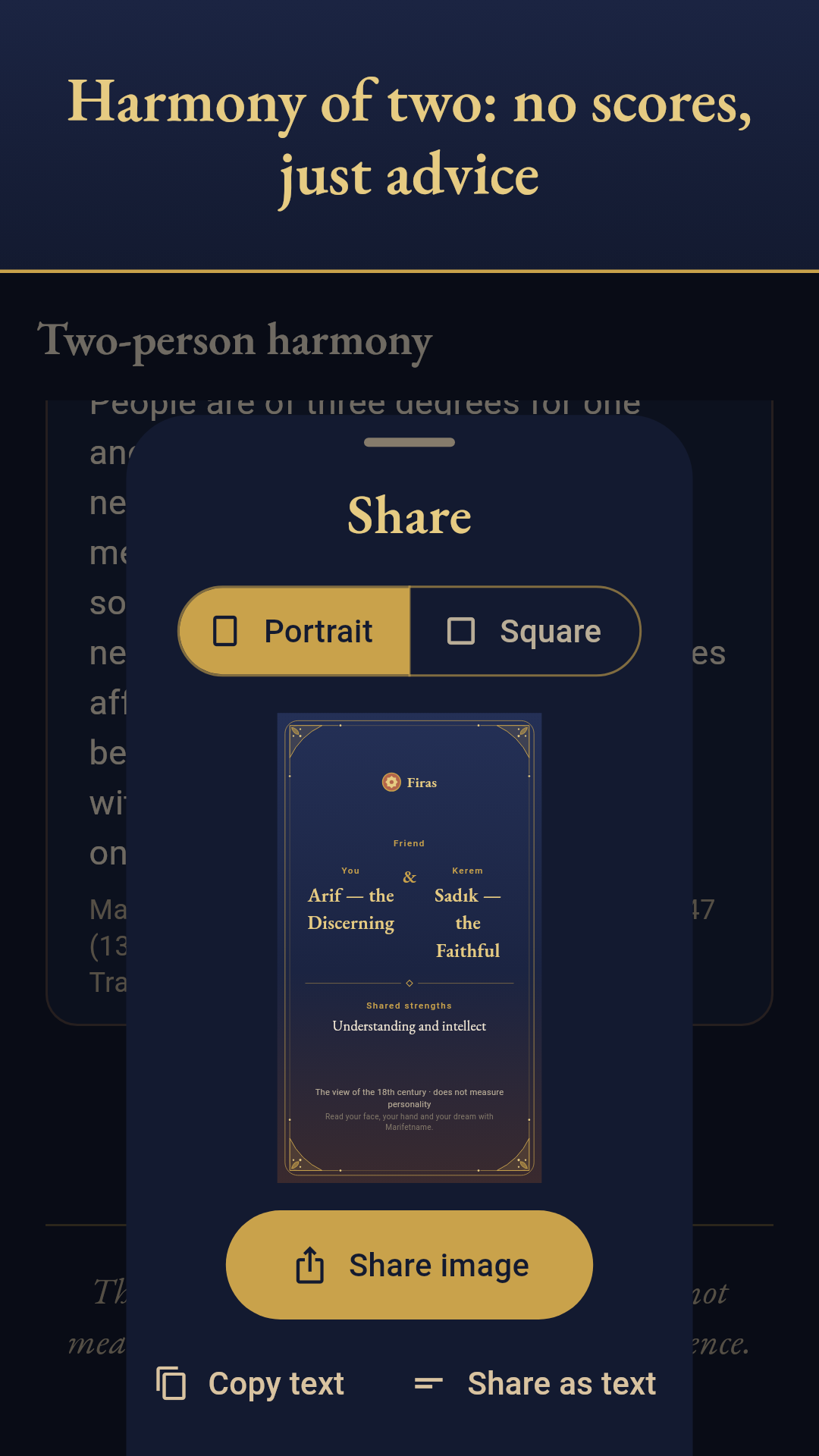
  • Twitching, the Marifetname’s advice and the harmony of two people

This is the view of the 18th century; it does not measure personality — it is a cultural experience.
Modern window

Birth chart

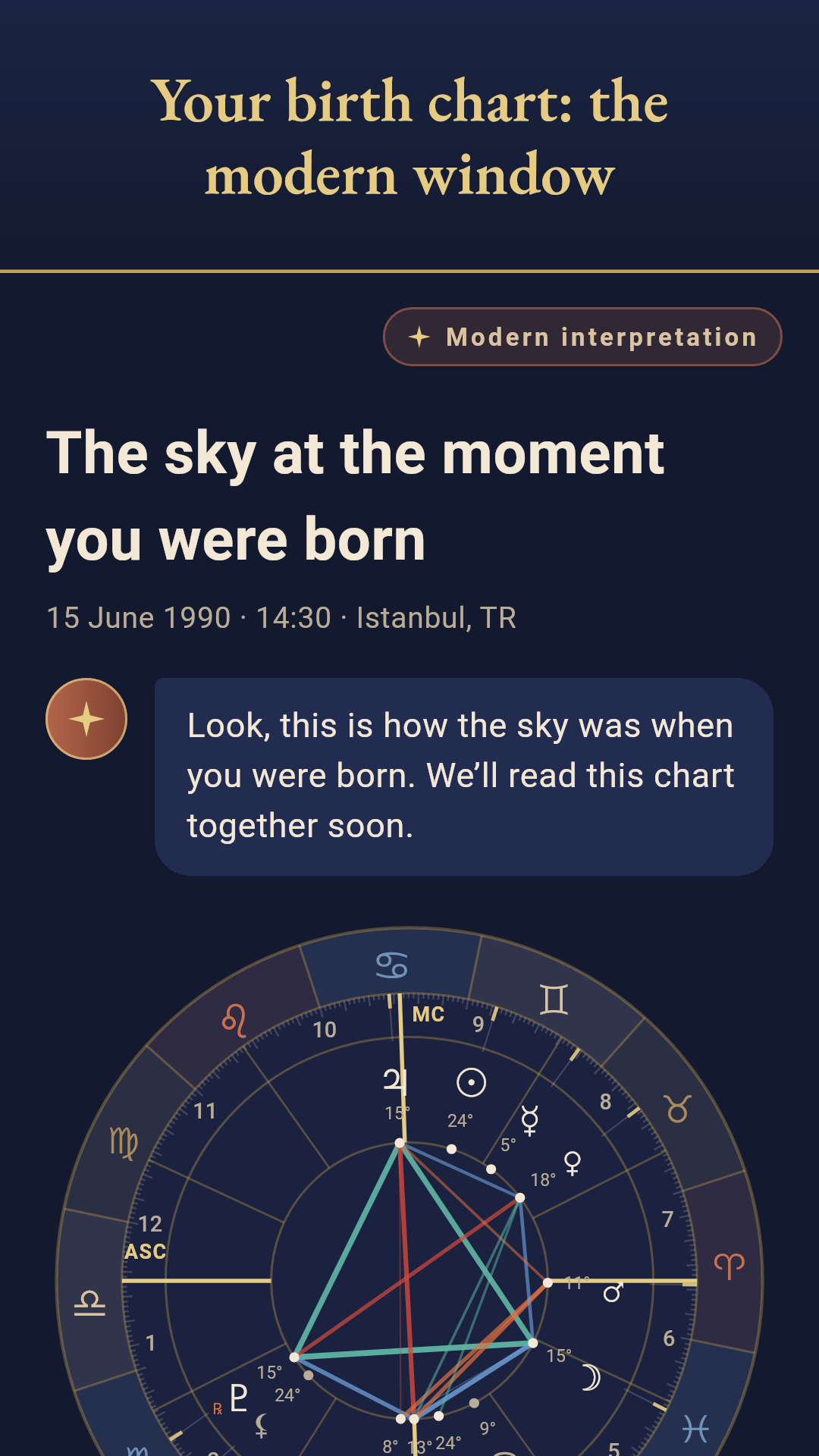
The sky at the moment of your birth is worked out on your phone by astronomical calculation and shown on a chart wheel in modern language. This window cites no classical sources and looks different, too.

Astrology is not a scientific method; this interpretation is for entertainment and personal insight.

Your photo never leaves your device

In short, what happens to your data in the app:

Privacy policy

From the app

Sources

The couplets are from the original works; the explanations are Firas’s renderings of meaning. No sentences are taken from modern simplified versions.

Frequently asked

Who can use it?

Firas is for ages 18 and over; you state your age on the welcome screen. Children’s faces are not read.

Can I read someone else’s face?

No. You read only your own face and hand; photos of celebrities, people you know or children are not used. For characters you imagine, there is the character builder.

Does it cost anything?

The beta is free. Pricing after launch will be decided with what we learn in the beta; if it changes, we will announce it in advance.

Which languages?

Turkish, English and Arabic. The English and Arabic of the classical texts are translated from the Turkish original; couplets are shown in the original.